Florida House lawmakers passed a measure Tuesday that would limit out-of-state and international students from making up more than 5% of enrollment at the state’s top public research universities.
Under the bill, state residents would have to make up 95% of first-time, full-time fall enrollment at public universities designated as “preeminent state research" institutions based on a three-year average.
Four State University System of Florida institutions — the University of Florida, Florida State University, University of South Florida and Florida International University — have the designation, which comes with increased state funding. However, the bill would bar these universities from receiving the extra funding if they violated its proposed enrollment caps.
Florida public universities already have some enrollment restrictions on out-of-state and international students. The Florida Board of Governors, which oversees SUSF, has issued regulations that limit nonresident students to making up just 10% of the system’s overall degree-seeking undergraduate enrollment, according to an analysis of the bill.
According to the South Florida Sun Sentinel, opponents of the bill have argued that it could hurt institutions’ revenue, as out-of-state students often face higher sticker prices than in-state students.
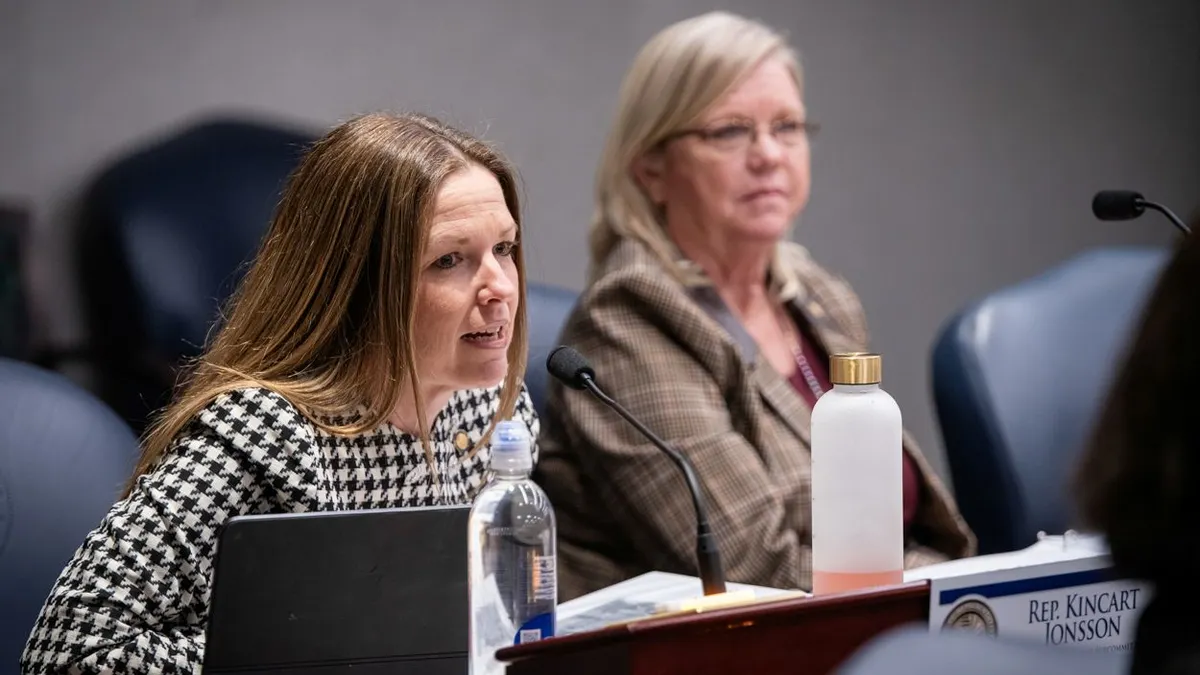
Meanwhile, Republican state Rep. Jennifer Kincart Jonsson, the bill’s sponsor, said the measure is meant to help state residents attend college in Florida, according to WFSU.
“Families are asking why some of our highest achieving students, students at the very top of their graduating classes, are struggling to gain admission to the very universities their tax dollars support,” she said on the House floor.
If enacted, the proposal’s financial penalty would take effect July 2030. The bill now heads to the Florida Senate.