

Dive Brief:
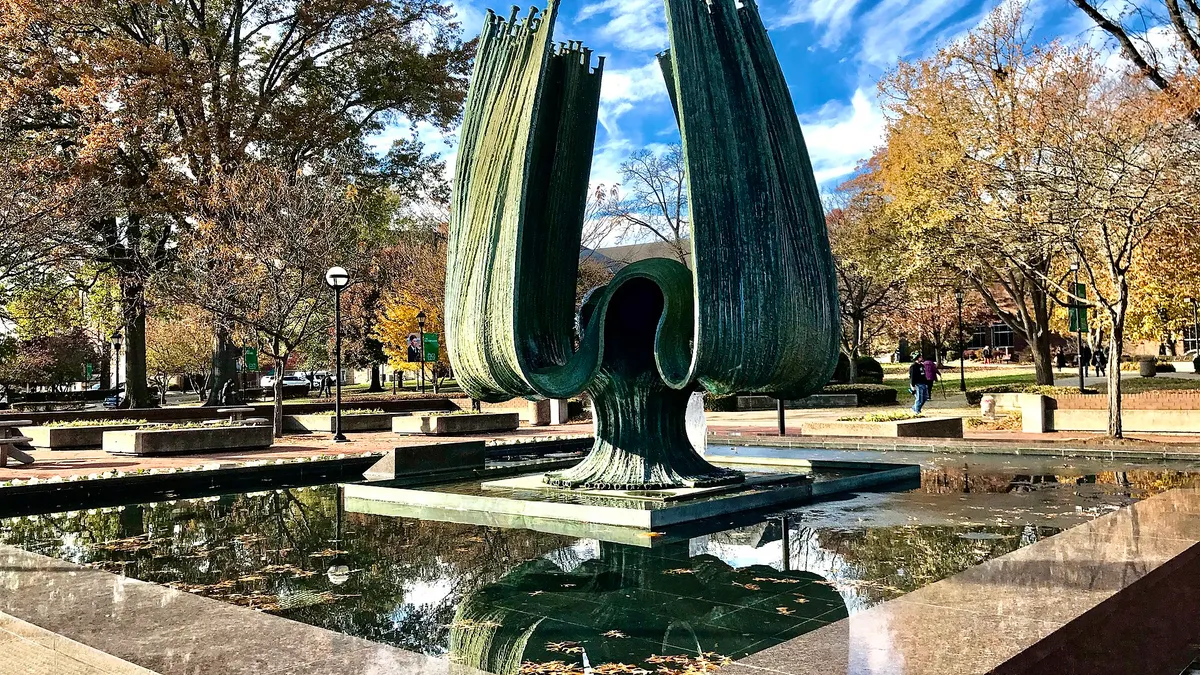
- Marshall University plans to cut seven academic programs as part of the public West Virginia institution’s regular review process.
- University leaders also aim to improve or expand five other programs, including in areas where they anticipate robust student demand. Marshall’s board approved the program changes at a meeting Wednesday, according to West Virginia Public Broadcasting.
- The university is managing an estimated $10.2 million deficit for fiscal 2026, a gap $2 million smaller than what officials budgeted for, according to a board presentation.
Dive Insight:
For programs set to end, Marshall plans to discontinue them once currently enrolled students have completed their degrees, according to the plan presented by Interim Provost Robert Bookwalter.
Marshall University is cutting, revising and expanding programs
The program review that led to the cuts stems from a mandate by the West Virginia Higher Education Policy Commission. The commission's rule, passed in 2022, requires state colleges to evaluate their programs at least once every five years for demand, student outcomes and delivery costs.
Along with cuts, those reviews can lead to program expansions and improvements, efforts to save money or make programs more efficient, and new offerings. At Marshall, the previous academic year’s review ended with the recommendation to cut just two programs — both nursing graduate certificates with no students enrolled at the time.
The latest program changes come as Marshall works to shrink its fiscal deficit, which is down nearly 44% from $18.1 million last year. President Brad Smith told the university’s board of governors Wednesday that the deficit is expected to come under $3 million next year, according to WVPB.
The deficits have accompanied fluctuating enrollment. The university’s fall 2024 headcount of 11,958 students is down 7% from five years earlier — yet it’s a big improvement from 2022, when it had 10,691 students, according to federal data.
In April, Smith said Marshall has made much of its fiscal progress by eliminating spending waste while investing in its people through salary increases, according to board meeting minutes.
Along with those salary boosts, the university is planning a capital investment blitz in fiscal 2027 to tackle deferred maintenance projects around campus, funded by $21.8 million from the state.
At Wednesday’s meeting, Smith spoke optimistically about Marshall’s future amid demographic changes and other disruptions in the higher education world.
“Times are uncertain, times are dynamic, they’re unpredictable,” he said, according to WVPB. “But I see a university that is leaning forward, working together arm in arm, preparing this university and this state for the next chapter.”