
As a university poised at the Gateway to Mexico to build a thriving cultural and intellectual community, Texas A&M International University (TAMIU) knows a thing or two about bridging legacy and progress, old ways and blazed trails, rich history and new horizons.
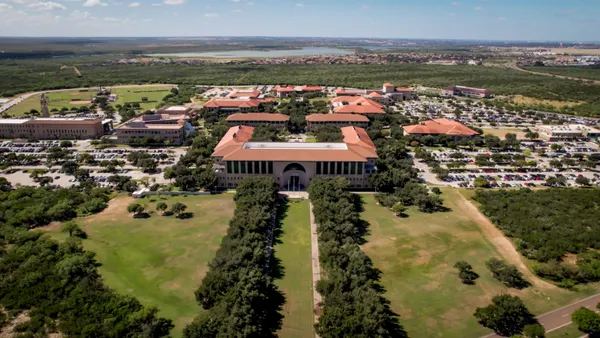
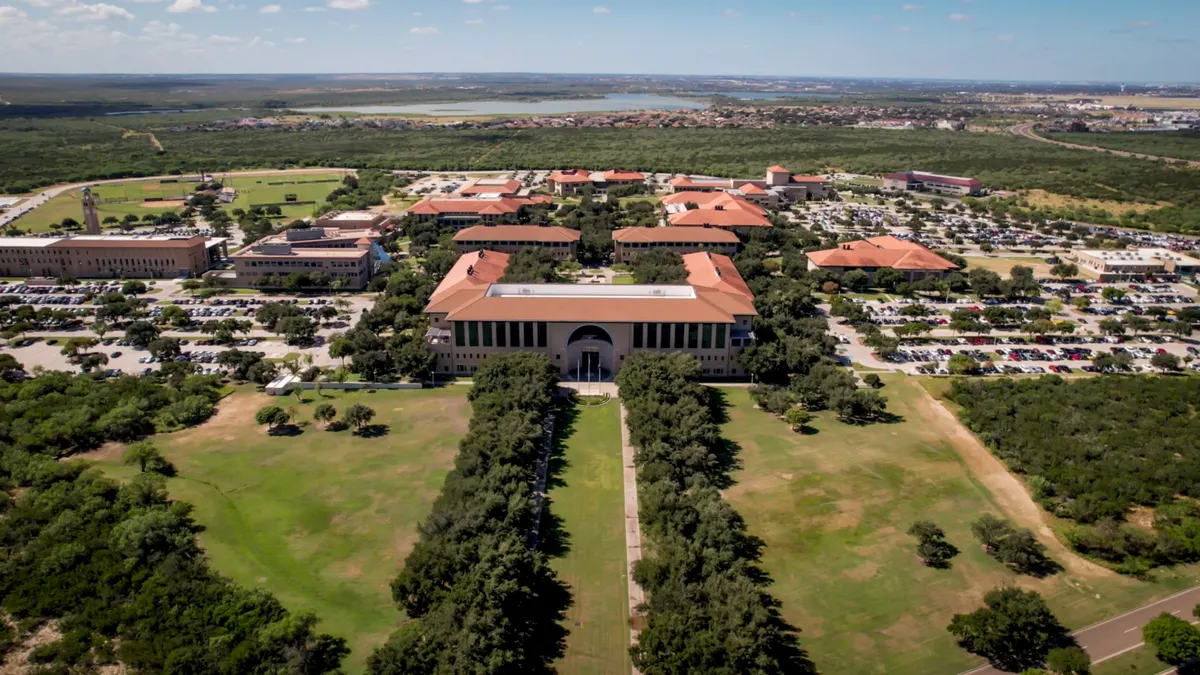
TAMIU sits on 300 acres and is the largest managed green space in Webb County. Its vast footprint made it clear that campus facilities needed to play a stronger role in sustaining the University’s operational, financial and environmental stewardship.
However, they lacked the necessary data to monitor and manage the cost of aging infrastructure; struggled with the complexity of reactive—and even deferred—maintenance; and navigated the financial constraints of operating outdated buildings. Although the current built campus is just over 25 years old, its design and systems began in the 1980s using technologies that were commercially introduced through the 1930s and 40s.
A new approach to campus operations
The University turned to Schneider Electric’s SE Advisory Services to help TAMIU power its roadmap for energy progress. A new Central Utility Facility Management plan gave TAMIU a tangible way to jumpstart its desired holistic approach to energy and operational management—with the goal of achieving budget stability and measurable conservation-driven outcomes.
Since 2017, TAMIU has led a self-managed energy conservation and behavior modification program, which encourages students, professors and staff to take an active role in efficient resource usage on campus and at home. Beginning in 2024, the University launched a new Energy and Operations Management Program. The program represents a far-reaching evolution of campus conservation efforts, building on the impressive 33% reduction of campus-wide utility consumption achieved over the previous eight years.
This comprehensive, all-in-one program integrates people and technology, employing a range of Schneider Electric services and software for building automation and efficiency monitoring, plus on-site operational support. The innovative tools powering TAMIU include:
- Utility Tracking: Enables TAMIU to consolidate, analyze and automate data into a single centralized platform, facilitating the management of the University's energy usage and environmental impact.
- Equipment Analytics: Proactively monitors TAMIU's building automation and HVAC assets to identify energy inefficiencies, assess and minimize carbon intensity and diagnose equipment faults effectively.
- Asset Management: Provides a holistic view of TAMIU’s facilities, improving master planning and budgeting while ensuring reliability and optimizing maintenance and staffing efficiency.
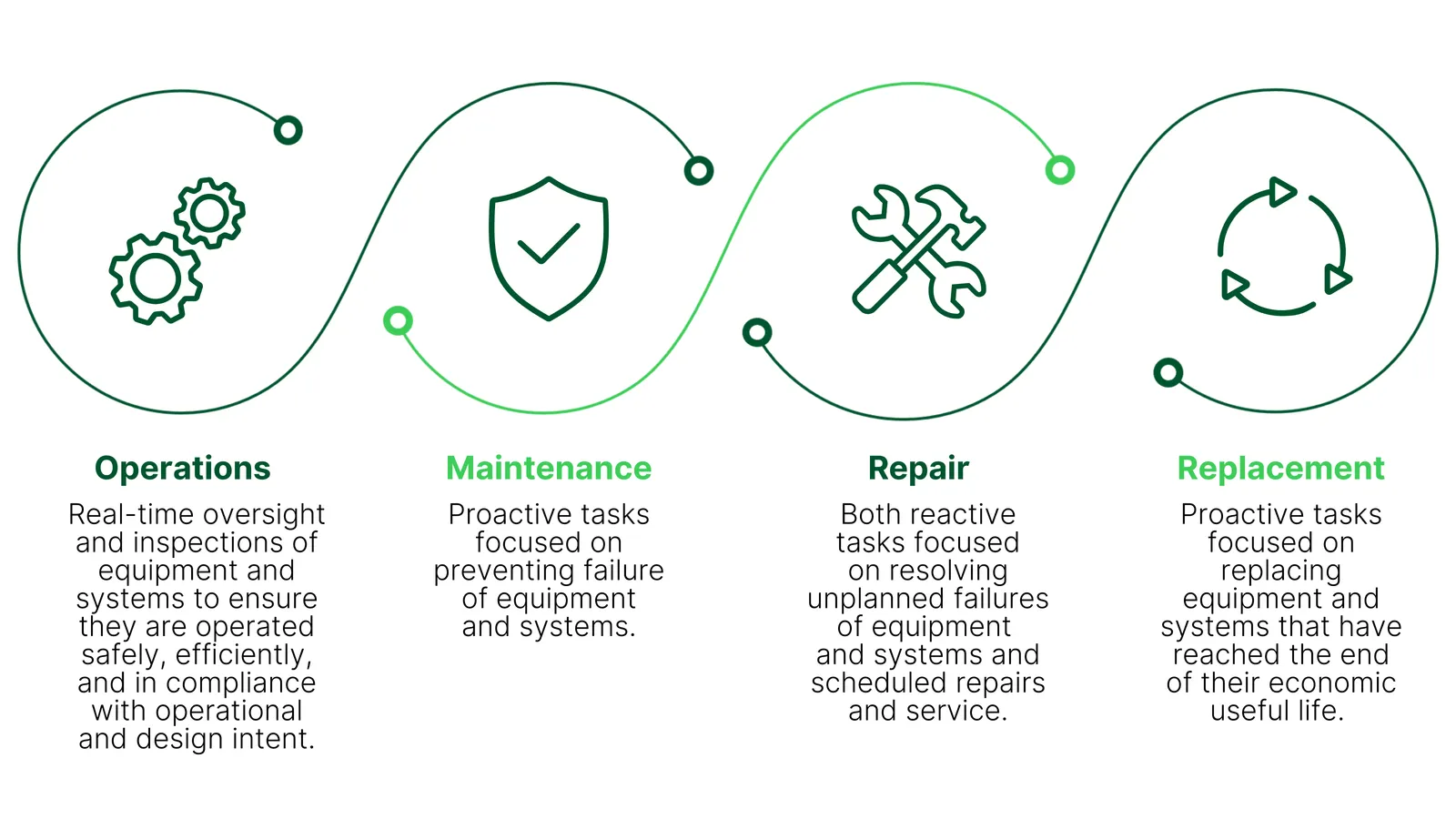
- Operations, Maintenance, Repair and Replacement: Powers a continuous and enhanced facility condition assessment, coupled with a recommissioning effort and ongoing operational management support services.
What has changed behind the scenes
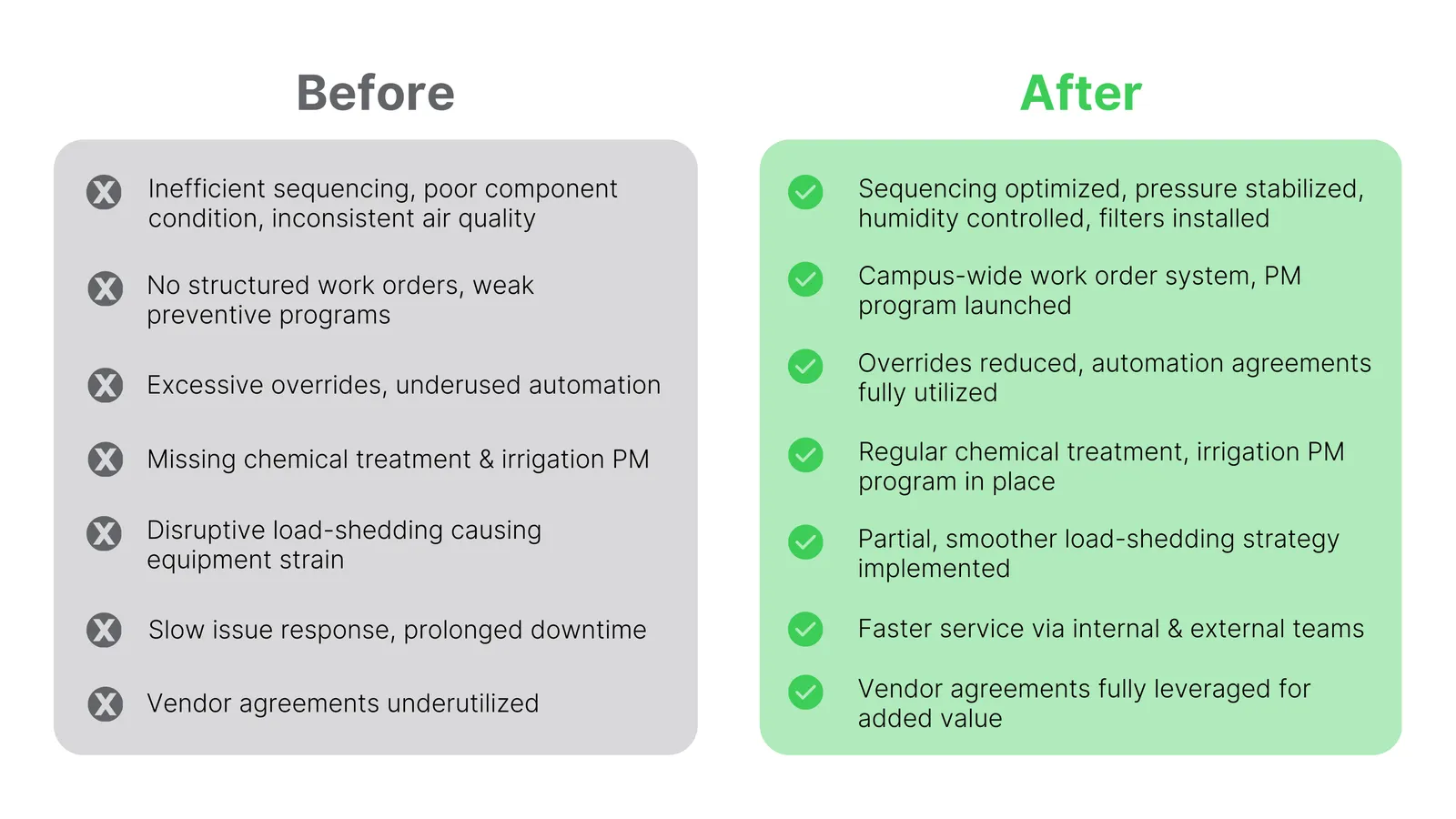
The University’s results demonstrate the significant impact of its forward-thinking strategy for campus-wide conservation and budget stability. In short, the campus facilities team has been able to shift from reactive to preventative mode.
Money saved: Refinements in the demand response program and chemical water treatment processes have enhanced responsiveness and operational effectiveness, ensuring efficient resource use and timely heating of the campus water supply. TAMIU has realized significant energy savings in Year 1.
Energy saved: Extended strategic scheduling and chiller shutdowns during low-temperature days have reduced TAMIU’s energy consumption by 1,349 MWh in Year 1, which is equivalent to:
- LED bulbs powered for a year: 73,958 bulbs
- Trees planted equivalent: 6,424 trees
- Liters of water saved: 3,372,500 liters
Headaches saved: TAMIU facilities have realized a 56% reduction in automation point overrides, resulting in enhanced system reliability, minimized downtime, lower future maintenance needs and improved data integrity. By reducing the number of overridden points, TAMIU can fully leverage its previous investments in its Building Automation System (BAS), ensuring they function as originally intended.
Delivering more than energy savings
TAMIU’s Energy and Operations Management Program is essential to the University’s long-term energy and water conservation objectives. Building energy and operational resilience better prepares the university for mitigating the effects of fickle weather, while also achieving more reliable budget stability for day-to-day operations. Giving the TAMIU team a clear view of resource use empowers them to better manage it.
TAMIU is set to achieve $21.4 million in total projected savings over 20 years through its ambitious energy and water conservation journey with Schneider Electric.
Implementing innovative technology and processes goes well beyond energy savings, however. Comfortable spaces set the stage for productive study and collaboration and reliable operations translate into fewer campus disruptions for faculty, staff and students. These results are enabled by TAMIU’s more resilient infrastructure, which can weather droughts and other extreme natural events. TAMIU stands out as a community leader in resource management by taking concrete action on its conservation vision and changing the face of Laredo as a gateway to measurable energy progress.
To learn more about TAMIU's journey of innovation and commitment, watch our latest video.