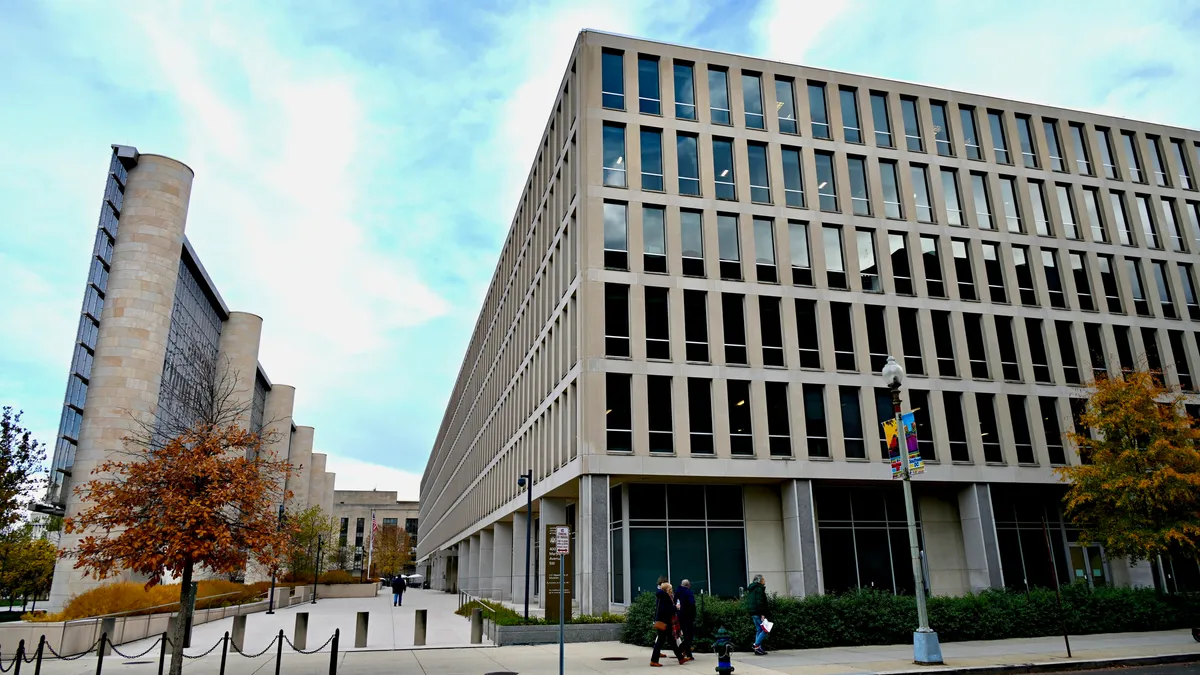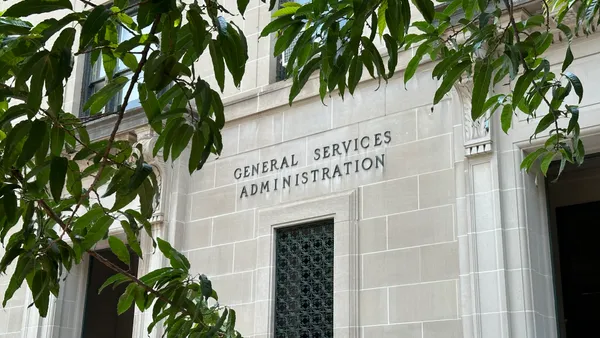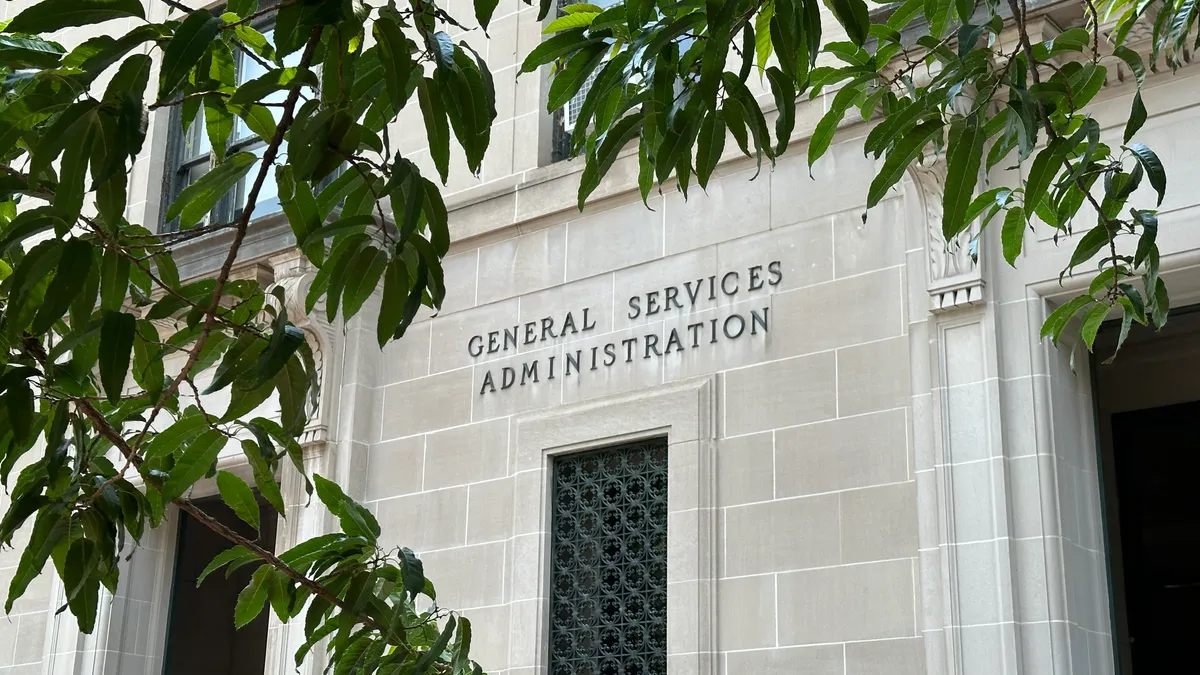
Higher education groups and Democratic attorneys general are urging the General Services Administration to rescind a proposal that they say could force colleges to comply with contested federal directives against diversity, equity and inclusion.
Under the GSA’s proposal, colleges and other federal funding recipients would have to certify that they’re complying with the U.S. Constitution, federal law and “relevant executive orders” on antidiscrimination law. The certification language lists potential violations of antidiscrimination law as awarding race-based scholarships and requiring job applicants to submit diversity statements.
The changes pertain to the certifications colleges and other organizations must agree to in order to register for the federal government’s System for Award Management, which is required to receive federal funding.
GSA said the changes are meant to align the certifications with the Trump administration’s directives and guidance, including the U.S. Department of Justice’s July memo that says a wide range of common college practices may run afoul of civil rights law. Those practices include allowing transgender women to access bathrooms aligning with their gender identity and having identity-based study lounges — even if those spaces are open to all, according to the memo.
Over two dozen higher education associations have called on GSA to rescind the proposal.
Those groups noted that colleges and other federal funding recipients are already required to certify that they’re following federal law. But the new proposal goes a step further, they argued, by requiring colleges to certify they are complying with guidance and executive orders.
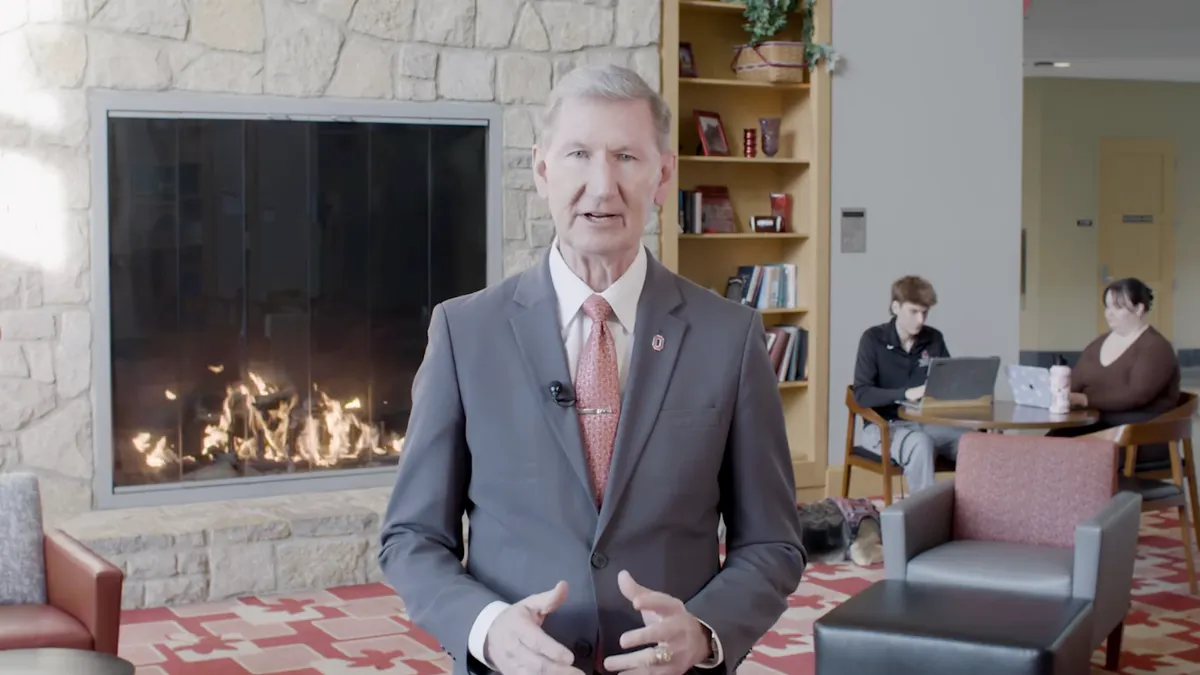
In a public comment on behalf of roughly two dozen higher ed groups, American Council on Education President Ted Mitchell pointed out the Justice Department’s July guidance even explicitly states that the agency is sharing “non-binding suggestions” to help federal funding recipients avoid "legal pitfalls.”
Requiring colleges to certify they’re following such guidance turns those suggestions “into mandatory requirements for the receipt of federal funds,” he said.
One of the higher ed groups noted in a separate comment that litigation is underway over some of the Trump administration’s anti-DEI directives and guidance.
According to Waded Cruzado, president of the Association of Public and Land-grant Universities, that will require college officials to look into the legal status of executive orders and guidance both before and after they fill out the form.
This could create “a system where, for the first time in history, hundreds of thousands of recipients will have to continually and closely track litigation standards nationally and in each federal circuit court” to complete the form’s questions, Cruzado said.
States and higher ed leaders question the proposal’s legality
In a public comment filed last week, a coalition of 23 Democratic attorneys general accused GSA’s proposal of being unlawful.
At minimum, the group wrote, the proposal would require federal funding recipients to certify they comply with federal law — a declaration they already have to make. In that case, the proposal wouldn’t comply with the Paperwork Reduction Act because it’s “unnecessary, duplicative, and more burdensome than necessary,” they wrote.
But the GSA’s proposal would both violate federal law and be unconstitutional if Trump officials plan to require federal funding recipients “to comply with this Administration’s vague and contested interpretations of federal antidiscrimination law” — a move outside the agency's authority — the attorneys general wrote.
Moreover, the Trump administration can enforce compliance with the certifications through criminal charges or through civil liabilities under the False Claims Act, which can result in heavy financial penalties.
California Attorney General Rob Bonta framed the new proposal as another attempt by the Trump administration to stamp out DEI initiatives.
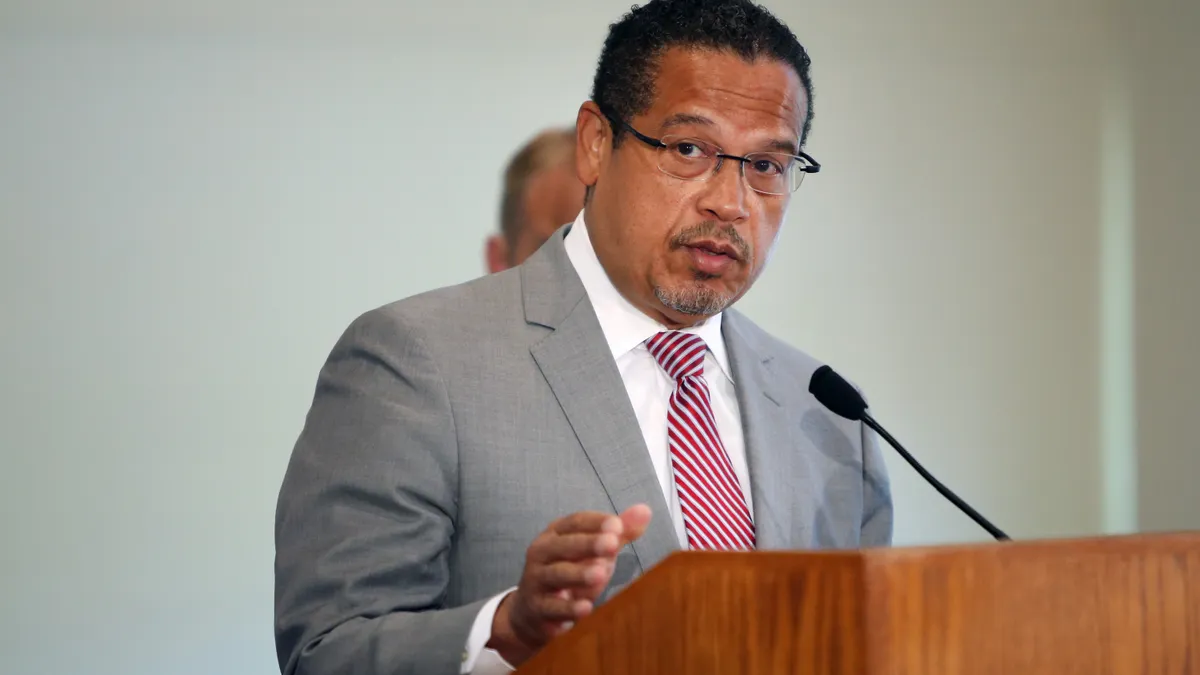
“GSA wants to scare grant recipients into halting lawful programs that protect Americans from discrimination and unfair roadblocks,” Bonta said in a Monday statement. “We will not stand by as GSA oversteps its authority and imposes unnecessary burdens on funding applicants.”
EdTrust, a research and advocacy group focused on educational equity, echoed concerns about unclear expectations and hefty penalties.
“The proposal’s failure to provide clear notice of what conduct is prohibited forces educators into an impossible choice: over-comply with the administration’s vague and evolving views through self-censorship or risk potential criminal charges for upholding lawful practices that ensure every student has equal access to education,” EdTrust wrote in a comment.