

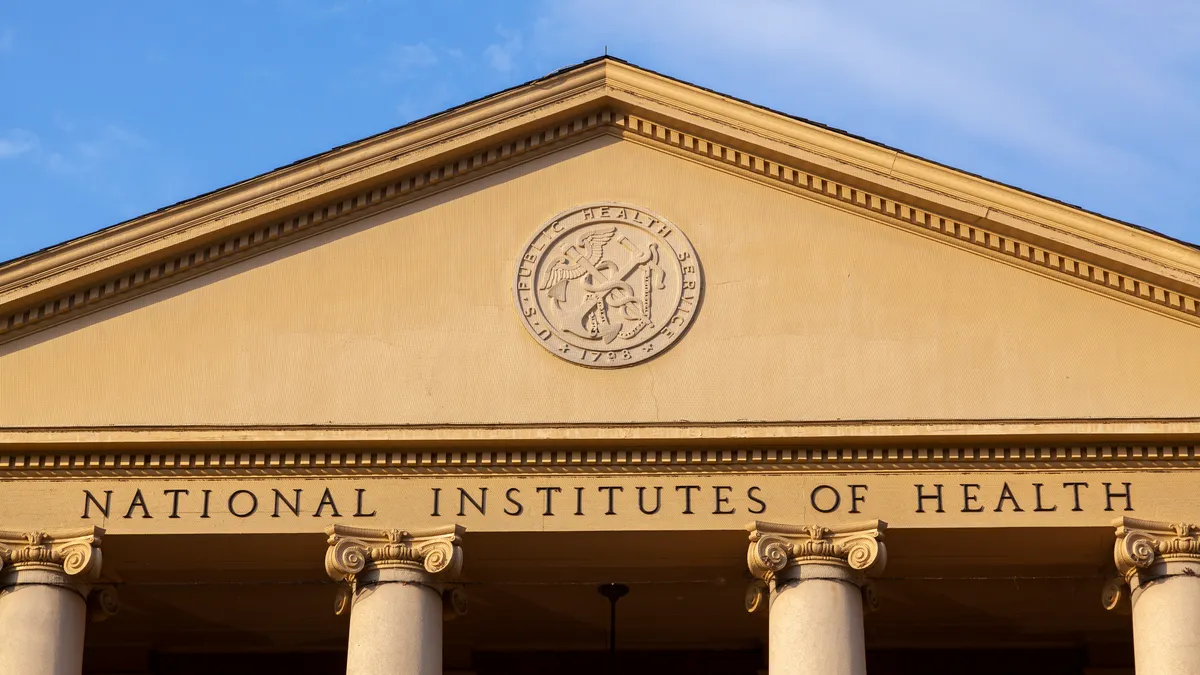
The National Institutes of Health reached a settlement last week with 16 states over delayed reviews of research grant applications representing potentially billions of dollars for university and other institutions' projects.
The Dec. 29 settlement follows nine months of litigation between state attorneys general and the Trump administration after NIH withheld final decisions on hundreds of grants and “took the unprecedented step of canceling upcoming meetings for the agency’s review panels and delaying the scheduling of future meetings,” according to a Dec. 30 statement from Massachusetts Attorney General Andrea Campbell’s office.
Over 5,000 grants from across the country are covered by the settlement, according to a spokesperson for the attorney general. On the day it was filed, NIH issued decisions for 528 of them.
The large-scale delays and cancellations followed an internal directive at NIH in February to redirect resources away from research related to diversity, equity and inclusion, along with other topics in the administration’s crosshairs.
The settlement commits NIH to the “usual process” for reviewing grants, according to Campbell’s office.
However, as part of the agreement, Trump administration defendants did not “concede that Plaintiffs’ claims are meritorious and do not admit any liability on those claims.”
The settlement stipulates that:
- The agency is to review multiple sets of applications “in the ordinary course of NIH’s scientific review process” and in good faith, without applying the anti-DEI directive challenged by the attorneys general.
- NIH will review the applications it previously withdrew or denied because of the directive and provide a decision by Jan. 12, April 14 or July 31, depending on how far into the scientific review process the grant had gone.
- Plaintiffs will drop some of their claims against NIH, though they will keep the right to seek final judgment on two key issues, including their argument that the agency lacked the authority to block funding to “blacklisted” topics — DEI among them — because of laws directing NIH to research those areas.
Not affected by the settlement are nearly 850 terminated grants, which a federal judge previously ruled were illegally cut by the Trump administration.
A fight over funding
As the attorneys general and others have alleged, NIH in February started a systematic purge of all grants related to DEI, as well as other topics such as climate change and gender identity.
A lawsuit filed by researchers, unions and others in April counted a minimum 678 research projects worth over $2.4 billion terminated by NIH.
Delays affected scores of other projects. The University of Massachusetts alone saw review delayed on 353 applications for NIH funding because of the agency’s anti-DEI directive, according to Campbell’s office.
“When the Trump Administration unlawfully stalled the review process for NIH grant applications, lifesaving studies related to Alzheimer’s disease, cancer, and other devastating illnesses were frozen indefinitely — stealing hope from countless families across the country and putting lives at risk,” Campbell said in the statement.
While Massachusetts is known as a hub for biomedical research, other states that sued also reported large numbers of delays and cancellations. Maryland’s attorney general, for example, said over 200 grant applications had been “held in limbo” across the state’s universities.
In June, U.S. District Judge William Young ruled that the NIH's directive was illegal and struck it down. Young cited evidence of discrimination against racial groups, women and LGBTQ+ individuals in the government’s actions.
His decision would have immediately restored hundreds of terminated grants that last week's settlement didn’t cover. However, the U.S. Supreme Court in August paused Young’s mass grant restoration, which ran to over $780 million, instead funneling individual grantees to a separate federal court for monetary claims against the government.
Meanwhile, the Trump administration swiftly appealed Young’s broader ruling that NIH’s anti-DEI directive was illegal. A hearing is set for Jan. 6 at a federal appeals court.
Attorneys general hailed the settlement as creating a path forward for federally funded medical research.
“Maryland researchers and institutions have waited far too long for answers on hundreds of grant applications unlawfully delayed by the Trump administration,” said Maryland Attorney General Anthony Brown in a Dec. 31 statement. “This settlement finally provides the certainty they need to continue groundbreaking medical research and public health work that benefits Maryland families.”