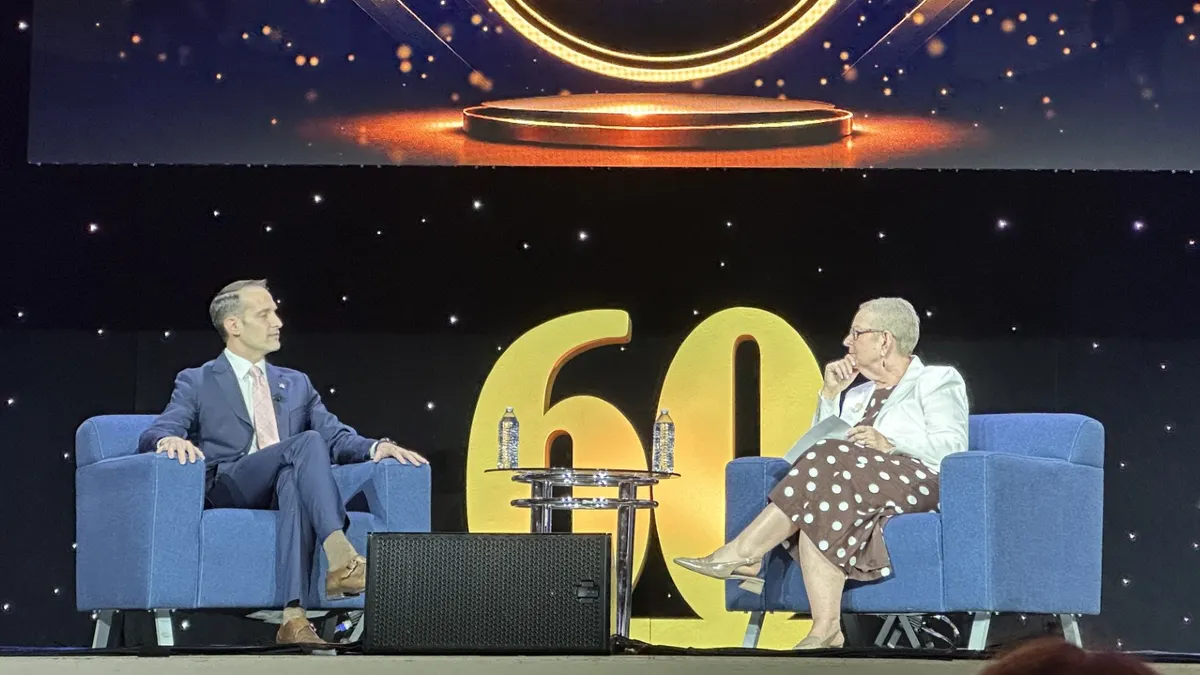
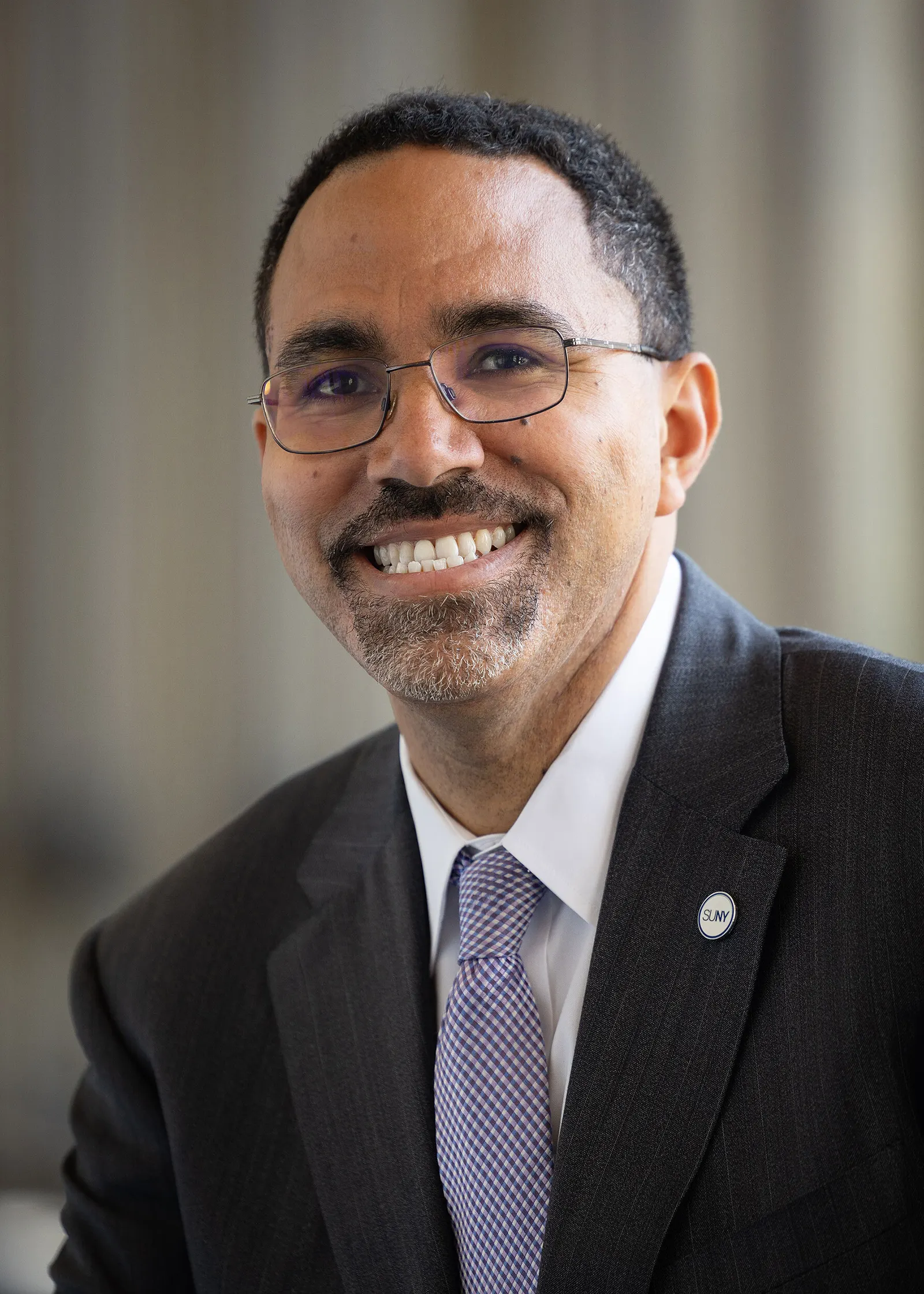
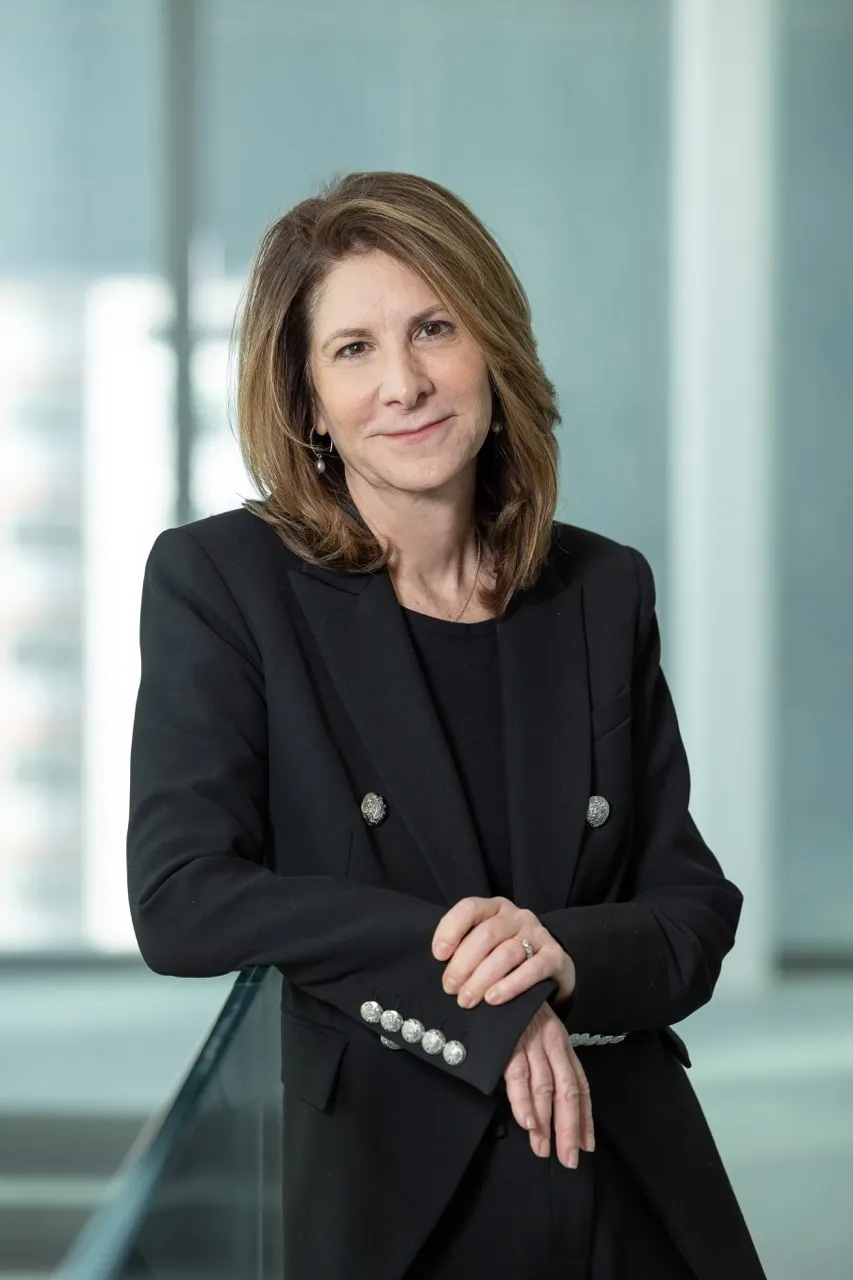
Linda G. Mills is the president of New York University, a private nonprofit in New York City. John B. King Jr. is the chancellor of the State University of New York, which has 64 public institutions.
Young people today are entering adulthood in a world defined less by certainty than by volatility. The social contract that once gave structure to higher education and work — study hard, earn a degree, build a stable career — no longer aligns with the reality many graduates encounter. Rising costs, shifting labor markets, geopolitical instability and declining public trust in institutions have upended the assumptions on which that bargain was built.
At the same time, early-career tasks that once helped young people learn on the job are now being automated. Entire fields are shifting as artificial intelligence reshapes everything from legal research to marketing to software development. Employers increasingly say they are hiring less for students’ technical skills and more for whether they can learn quickly, communicate well and adapt in unfamiliar situations. It’s no surprise Gen Z reports levels of anxiety about job prospects not seen in years.
America’s colleges and universities exist to prepare the next generation with the skills and experiences to lead, and despite popular narratives, degrees continue to deliver – vastly increasing success in the labor market and lifetime earning potential.
But economic return is not the only reason our institutions — New York University and the State University of New York — together receive hundreds of thousands of applications each year and enroll a student body that exceeds the size of Cleveland or Tampa, Florida. Students are looking to our institutions to prepare them to navigate a world that rewards critical thinking, collaboration across difference, and the ability to lead across contexts and to adapt in an ever-changing environment. It’s our job to deliver on that based on evidence, not a hunch.
That’s why NYU and SUNY — the largest private research university and the largest comprehensive, statewide public university system in the U.S. — are launching a joint Higher Education Design Lab to test reforms against real student outcomes and generate real evidence about what works, what doesn’t and why.
This new lab will study innovations across America’s rural and urban campuses, commuter and residential settings, and global and local sites in order to hasten our understanding of which new and old interventions actually equip college graduates to adapt, connect, and thrive in work settings and throughout their lives. Initial efforts will focus on NYU and SUNY, with plans to expand over time to include additional universities, research centers and government partners.
Our aim is to ensure that efforts to prepare students for forces reshaping work and society — from globalization to AI — are grounded in evidence, so graduates are ready not just for what's on the horizon but for what we cannot yet predict.
Why this and why now?
A central element of higher education is measurement. We evaluate students’ understanding through exams, writing, labs and classroom discussion. What students need from colleges and universities is to bring the same rigor with which we gauge their learning to our own operations to understand exactly how programs, policy and support initiatives lead not only to better academic outcomes but also success after graduation.
Whether a student is the first in their family to go to college and questioning if the investment will position them for a lifetime of success, or a student from a family with a long history of educational opportunities, they share a common need: the confidence and capability to succeed in a society that is marked by the constant of change.
Higher education has responded with a host of old and new strategies — launching affordability initiatives, redesigning advising, widening access to internships and study abroad, and building new pathways for students to explore emerging fields.
Colleges have also forged crucial partnerships to enhance first-year orientation programs with organizations like the Constructive Dialogue Institute and the Institute for Citizens & Scholars to foster communication across difference, or RADical Hope, which developed the RADical Health program with NYU, equipping first-year college students with the skills needed to support their own mental, physical, and emotional health.
These efforts matter, and help show to the public that higher education remains a relevant, powerful and creative lever for opportunity and a generator of new ways of thinking.
But in a world changing this quickly, good intentions and incremental measures are no longer enough. The next step requires something bolder — to know which initiatives truly prepare students for the work and lives ahead, and which do not.
Our work will not end there. Over time, the Lab will examine the full ecosystem of the undergraduate experience — from which career services, counseling and internships best support students’ successful transition into the workforce, to how many hours of college courses students need and which are most essential for career readiness, to what teaching and learning practices best prepare students with the skillsets they’ll need to lead in a range of contexts, particularly those that are ever-changing as the world of work evolves.
This is the ROI of a university degree: imbuing our students with the confidence to succeed, to collaborate on teams of people from across differences of opinion and cultures, to help decide a company’s strategic direction, or to manage a group of creatives to produce the next Tony award-winning play.
Our students are entering an environment that is even more complex than the one we inherited, sharpened by forces no single institution can control or fully anticipate. Higher education cannot eliminate that complexity, but it can be clear-eyed about its responsibility to test what works, to learn from evidence and to prepare students for a rapidly changing world.