

Undergraduate certificates fail the U.S. Department of Education’s new accountability test at a rate of 29% — by far the highest rate of any credential — according to a new analysis by marketing and analytics firm Validated Insights.
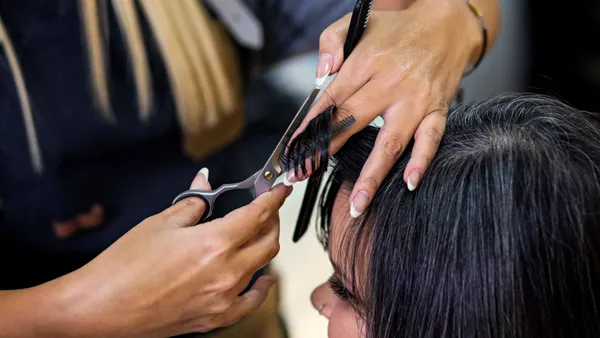
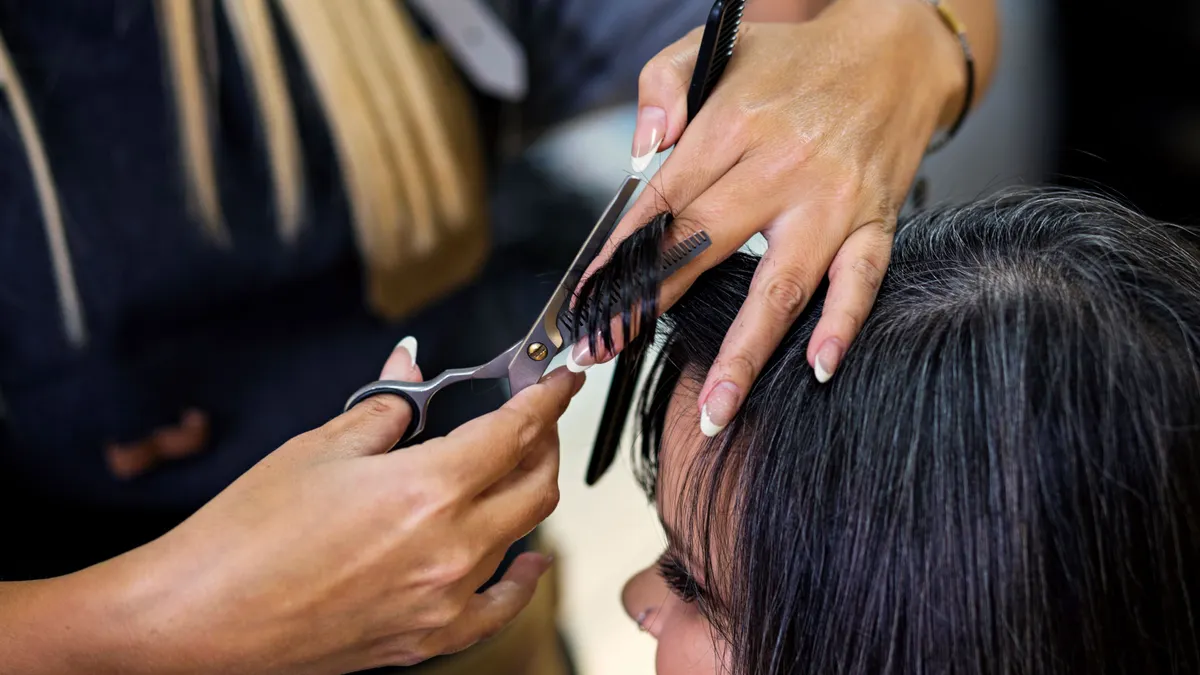
Cosmetology certificate programs fare especially poorly, with the vast majority of those analyzed — 830 out of 896 — failing the test, which is based on graduate earnings.
Not far behind, certificates in massage therapy fail at a rate of 90%. Failing the test could mean those programs lose eligibility for federal student loans.
“If you run cosmetology or massage programs, plan at the portfolio level for losing loan eligibility rather than for a pass,” Validated Insights said in the report, adding that curricular changes would not be enough to shrink such large margins of failure.
The firm’s analysis was based on an earlier data release by the Education Department.
Undergraduate certificates fared poorly in new accountability test
The new accountability test is mandated under Republicans’ big spending bill enacted in 2025 and dubbed the One Big Beautiful Bill Act.
The test looks at whether graduates of undergraduate programs aged 25 to 34 earn more than the typical high school diploma holder in the same age group in their state. The legislation mandates a similar test comparing workers with graduate degrees against the typical bachelor’s degree holder.
The Education Department plans to first calculate whether programs fail the test in early 2027. Programs will lose federal loan eligibility if they fail the test two out of three consecutive years, meaning that some programs could lose eligibility by the 2028-29 academic year.
Of the programs that failed in Validated Insight’s analysis, 44% were in the for-profit college sector. That rate comes despite the sector operating only 7% of total programs in the analysis.
Overall, bachelor’s programs performed best with a 1.2% failure rate. But bachelor’s degrees in fine and studio arts failed the earnings test at a much higher rate — 15%. Validated Insights attributed this to the test coming at “the point in an artist’s career when portfolio work, graduate school, adjunct teaching and part-time employment are most common,” meaning incomes are low.
At the master’s level, 38% of clinical mental health counseling programs failed in Validated Insight’s analysis while 4% of master’s degrees overall failed. One big factor in the pay of counselors is licensure, and the analysis suggested colleges could boost graduate earnings in the test’s time window by speeding the path to licensure for students.
Nursing stood out for its safety, with no failing programs at any level. Bachelor’s programs in engineering, computing, business, criminal justice, psychology and teacher preparation failed at rates of 1% or less, according to Validated Insights.