

Dive Brief:
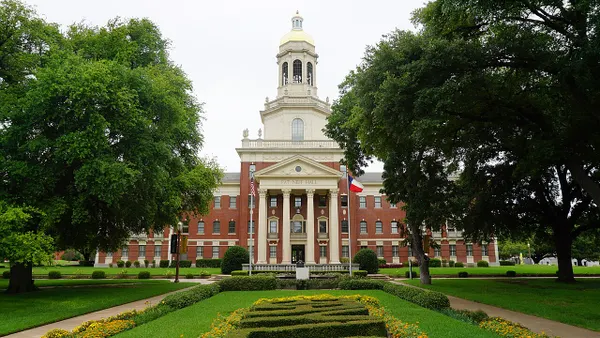
- Baylor University faces a projected $30 million deficit for fiscal 2027 as it contends with inflation, enrollment pressure and a tuition pricing market fraught with discounting.
- The Baptist institution in Texas has opted to pause hiring, defer noncritical construction and delay capital purchases, Baylor President Linda Livingstone said Monday in a message to faculty and staff.
- Livingstone suggested more changes could be ahead. “We should all be prepared to continue to recalibrate our programmatic offerings, services and operations for the future,” she said.
Dive Insight:
Livingstone’s deficit announcement follows a slide in Baylor’s undergraduate enrollment this fall.
Baylor’s total undergraduate headcount fell 2.3% year over year to 13,860 students, according to institutional data. First-time, first-year enrollment dipped 6%, representing a decline of over 200 students, which could bring ongoing financial ramifications given that they might have continued paying tuition for several years.
“Undergraduate enrollment is realigning to historic levels now that the two large COVID-era freshman classes have matriculated through the University,” Livingstone said. The university brought record numbers of students in 2020 and 2021, bucking the national trend during that period.
However, graduate enrollment increased by 3.8% to 5,888 students.
Livingstone rattled off a long list of headwinds that have dogged Baylor’s budget. Among them were rising spending, families wary of college prices, competitors increasingly discounting tuition to recruit students and “increasing volatility in forecasting budgets in an uncertain financial environment.”
Baylor’s leader also acknowledged the sum the university owes the head football coach it just fired after a slow start to the season. The buyout reportedly amounts to an estimated $12 million for Dave Aranda. Livingstone described the costs as a one-time expense not included in the deficit and “a liability of Baylor Athletics that will be addressed solely by the department.”
In the previous fiscal year, the Division I university brought in about $63 million in revenue from college sports, according to its financial statements.
Baylor started the calendar year in cost-cutting mode. In February, Livingstone announced a plan to shave $35 million from the university’s budget over two years, which she framed as necessary to limit tuition increases on students. Among other moves, the university slashed retirement contributions for employees.
In her message Monday, the university president acknowledged the sacrifices Baylor’s workforce has already made to help shore up the budget.
“As faithful Christian stewards, we must work together to prepare Baylor to succeed in a very uncertain future for colleges and universities that is likely to look quite different than the past,” she said.
Baylor joins a handful of others to issue early reports on fiscal 2027 woes amid enrollment pressures.
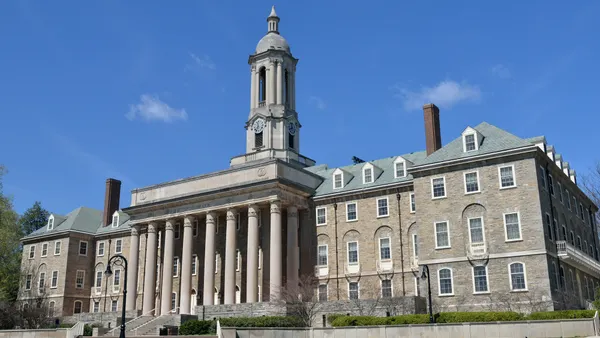
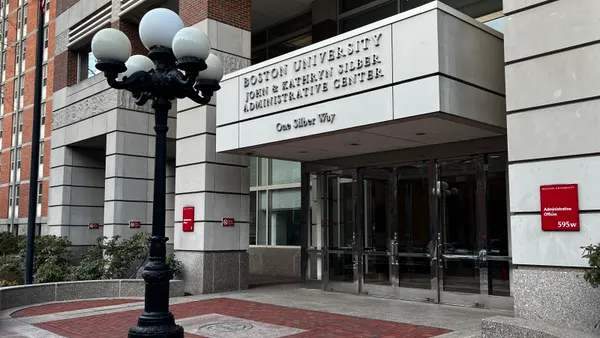
Just this week, Boston University leaders said the private institution missed revenue estimates by $42 million so far, and Pennsylvania State University revealed a projected $124 million budget hole due primarily to tuition revenue declines. Both institutions plan on budget cuts but did not signal that layoffs would be part of the savings efforts.