Dive Brief:
- An independent audit commissioned by Bard College cast doubt on the authenticity of a 2014 email exchange with Jeffery Epstein attributed to its former president, Leon Botstein.
- Democratic lawmakers have pointed to the conversation — published as PDFs in the U.S. Department of Justice's Epstein files — as evidence Botstein may have directly participated in the convicted sex offender's abuse and exploitation of his victims. Botstein has denied writing the email and the legislators' allegations.
- But a cybersecurity forensics report from firm FTI Consulting last week found the emails to be "highly suspicious" and said there's "a strong substantive basis" for questioning their origin and authenticity.
Dive Insight:
Democrats on the House Judiciary Committee on Oct. 7 called for a federal investigation into Botstein. They cited an email exchange in which the longtime Bard president asked if a young woman allegedly being trafficked by Epstein was "for me, or are you keeping her for yourself."
In a letter to Bard leadership, Rep. Jamie Raskin said he had "damning evidence that Botstein likely enabled and possibly even participated in Epstein’s abuse while serving as Bard’s President." He also said Botstein may have interfered with Title IX proceedings at Bard and protected "sexual predators" on its faculty, citing whistleblower allegations.
Botstein, who helmed Bard for over five decades, resigned as its president this summer amid intense scrutiny over his association with Epstein.
The same day as Raskin's letter, Bard Board Chair Brandon Weber announced the college was "undertaking a full review" of the lawmakers' allegations. Botstein, who had still held a professorship at Bard and positions within the colleges' music programs, stepped down from those roles effective immediately, Weber said.
Both Raskin and Weber said Bard has been cooperating with the committee's investigation, and Weber said the college’s leaders would continue to do so.
A few weeks later, Bard announced it had retained FTI Consulting as one of its first steps to review the allegations in Raskin's letter.
The firm's Oct. 19 audit found that the 2014 email exchange was not on Bard's servers as far back as 2017. FTI Consulting also highlighted inconsistent formatting and timestamps in the conversation as it appears in the DOJ's files and noted that the responses attributed to Botstein only appeared as in-text threaded messages, rather than as independent emails.
The audit did not address legislators' Title IX or faculty abuse allegations.
"Our review of the other claims in Representative Raskin’s letter remains ongoing, and we are committed to establishing the facts," Bard College said in an Oct. 22 statement. "In the meantime, we will continue our work to provide a secure and respectful learning environment for everyone at Bard."
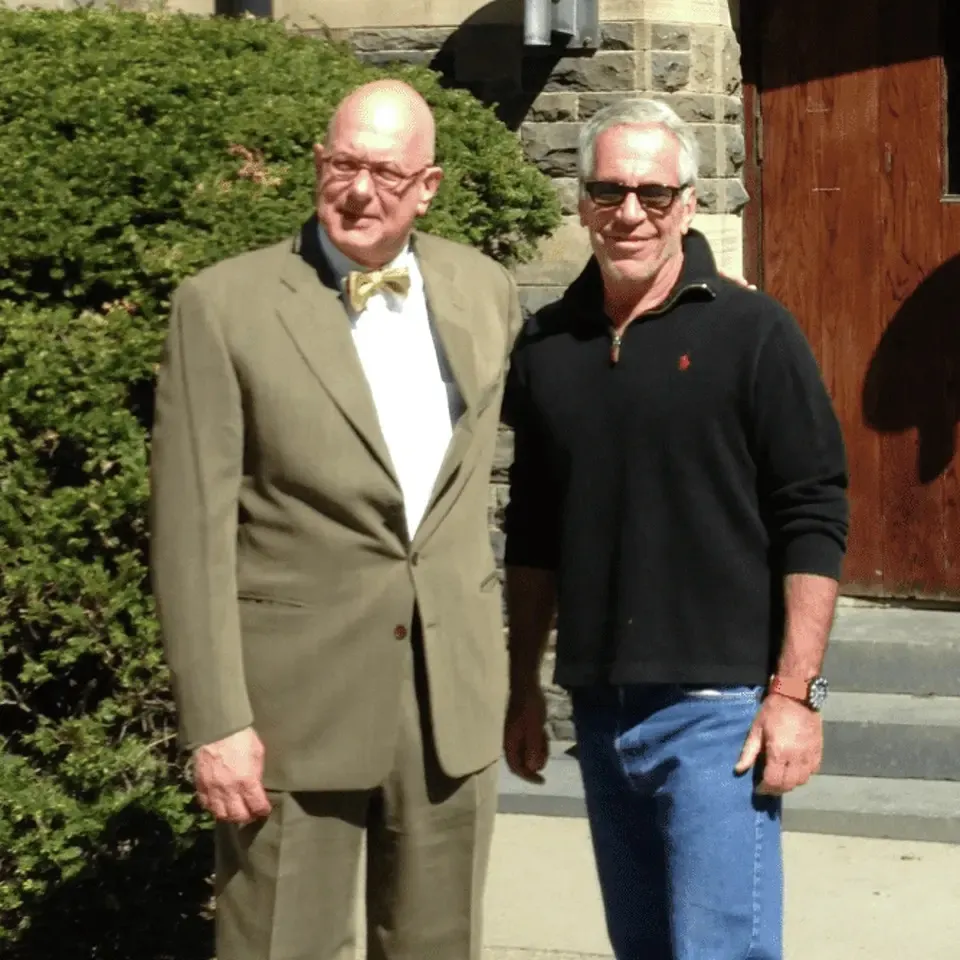
Botstein's relationship with Epstein — and his downplaying of it to Bard's board and campus — have been a source of consternation for the college for months.
An independent investigation from law firm WilmerHale earlier this year found Botstein and Epstein were in frequent contact, both remotely and in person, from 2012 to 2019. During that period, Botstein made a trip to Epstein's private island and visited his townhome more than two dozen times.
Epstein made donations to the college — the details of which Botstein obfuscated from the board — and visited Bard twice, according to WilmerHale. He also paid Botstein under a consulting agreement.
The WilmerHale investigation found that Botstein did nothing illegal, and its summary did not address the emails central to Raskin's Oct. 7 letter.
According to auditors, Botstein said he “did not see a risk to Bard’s reputation in pursuing Epstein or the potential risk to Bard students of exposure to Epstein, nor did he consider that his actions could validate and legitimize Epstein to potential victims or their parents."