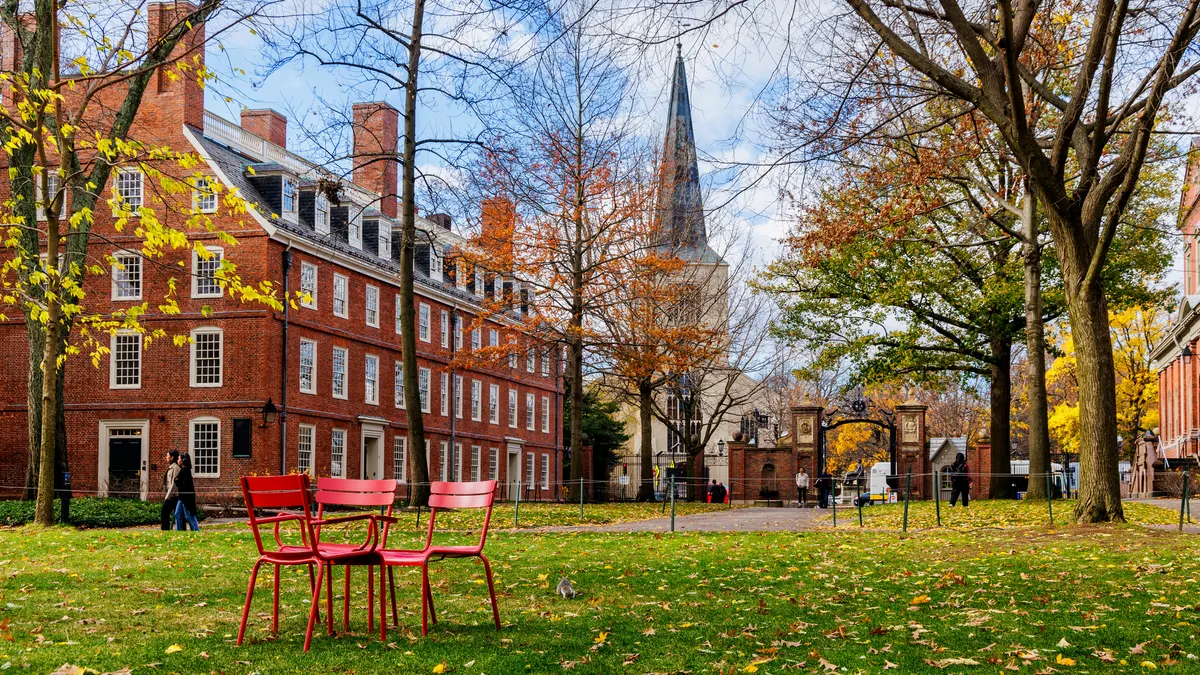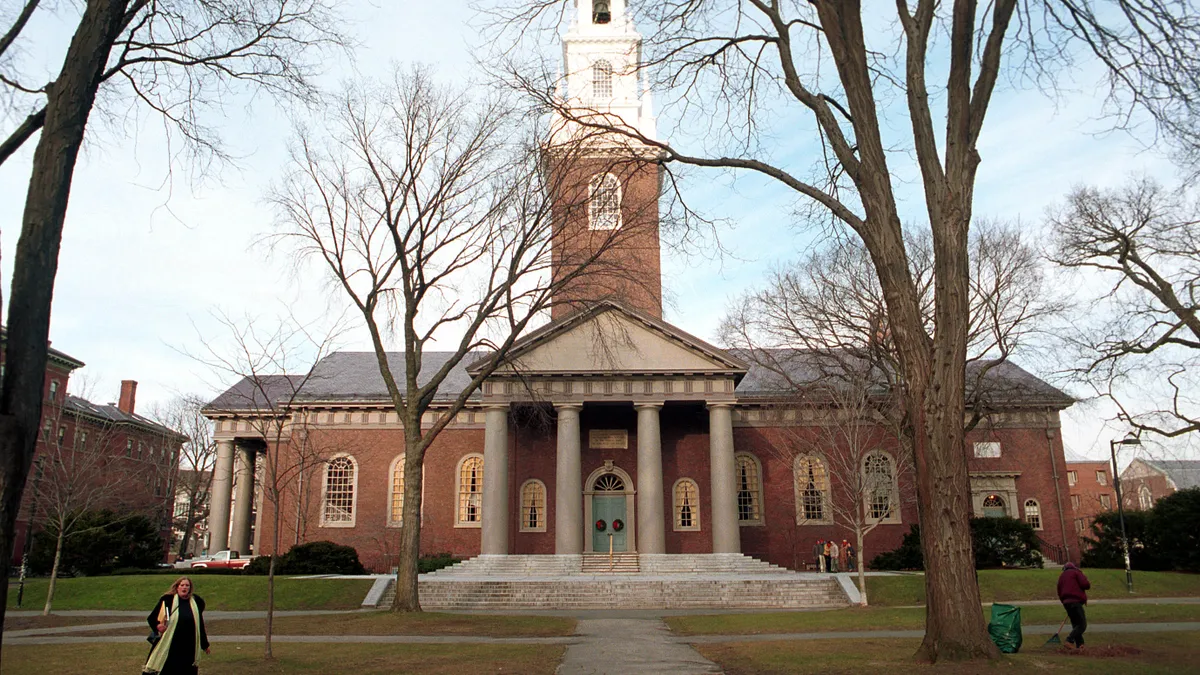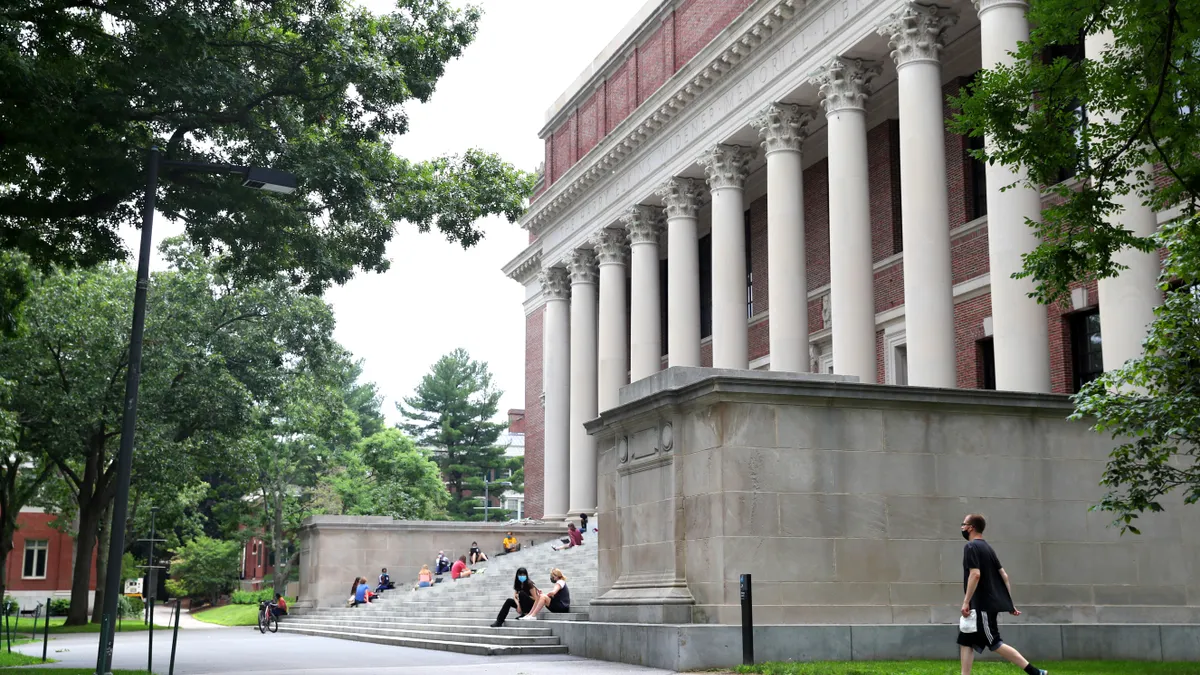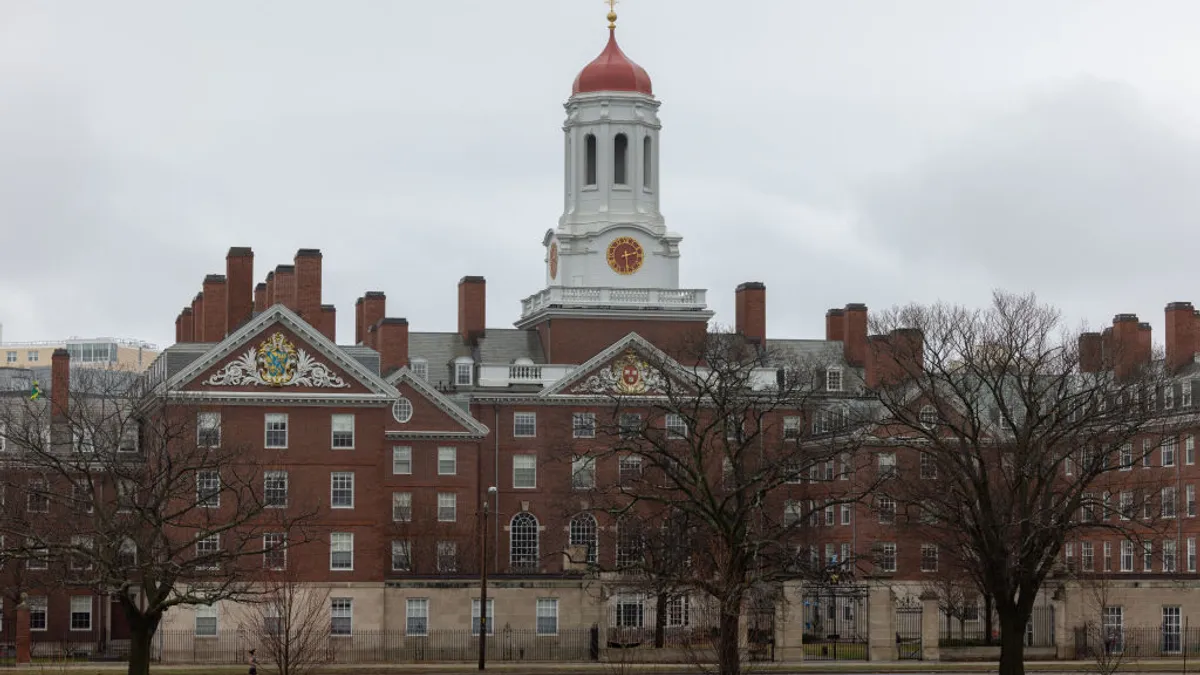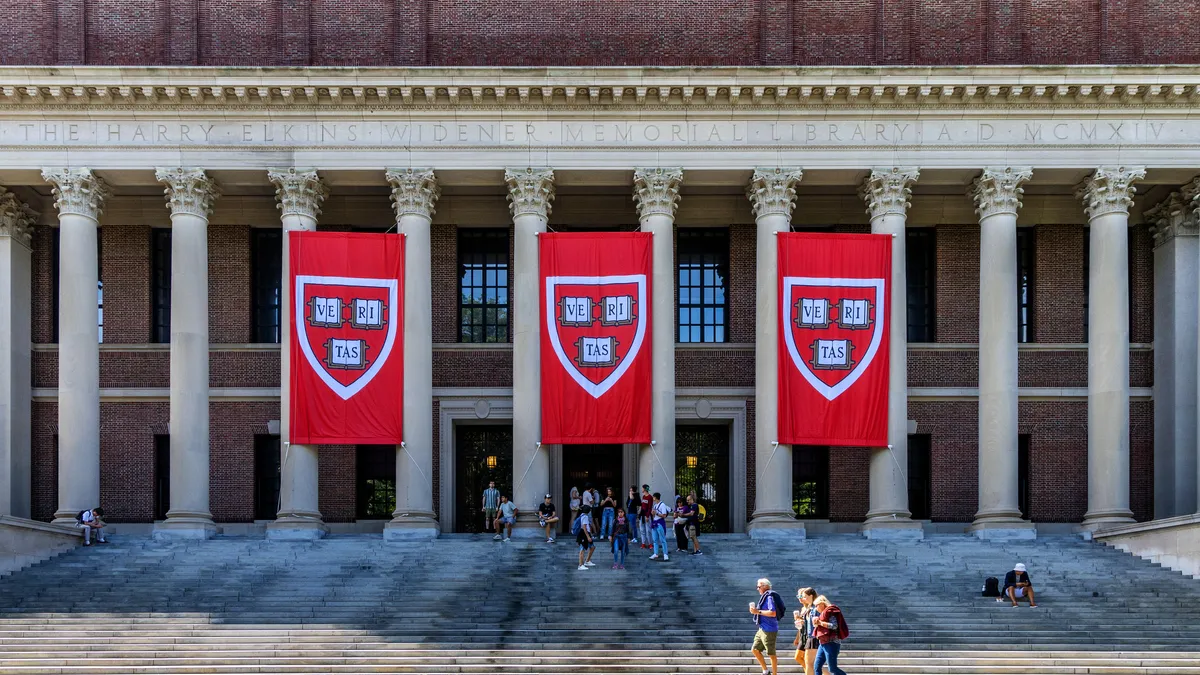
The Trump administration filed a lawsuit Friday accusing Harvard University of failing to protect its Jewish and Israeli students from harassment, marking the latest escalation of the federal government's year-long campaign against the Ivy League institution.
In federal court filings, the U.S. Department of Justice alleged Harvard had been deliberately indifferent to campus antisemitism, failed to enforce campus demonstration rules and not properly disciplined "campus agitators." Harvard did not immediately respond to questions Friday.
The DOJ asked a judge to declare that Harvard has violated Title VI — which bars federally funded institutions from discriminating on the basis of race, color or national origin — and force the university to pay back all federal grant money it received while out of compliance.
The agency is also seeking permission to cut the university off from federal grant money and for the court to force policy changes at Harvard focused on how the university handles protest activity and related disciplinary actions.
The latest salvo against Harvard
Shortly after President Donald Trump returned to office, his administration began to pressure Harvard to make vast policy changes. The university — the oldest and wealthiest in the U.S. — has since faced federal threats and attacks on its funding, ability to host international students and instructors, accreditation and intellectual property.
In June, the U.S. Department of Health and Human Services alleged that Harvard was in “violent violation” of Title VI by being “deliberately indifferent” to harassment of Jewish and Israeli students on its campus, and the agency later moved to cut the university off from all federal grants and contracts. Since then, the Trump administration had been negotiating with Harvard — up until Friday’s lawsuit was filed, the DOJ said.
"Harvard remained deliberately indifferent to a level of hostility on its campus so well-known across the nation that members of Congress were writing about it," the lawsuit alleged. A Tuesday report from Republican lawmakers on the House’s education committee accused Harvard and other college campuses of becoming "hotbeds" for "radical antisemitism."
The DOJ also alleged that Harvard "intentionally refused to enforce its campus rules — rules it enforced against others — when the victims were Jews or Israelis." As such, Harvard "materially breached the terms” of its federal grants by failing to comply with Title VI, the agency argued.
Among its many allegations against Harvard, the agency focused on how the university handled a pro-Palestinian encampment on its campus in spring 2024.
Harvard officials acknowledged the demonstration as disruptive but failed to take meaningful action to end it, the lawsuit said. The DOJ further criticized Harvard President Alan Garber for negotiating with the protesters.
During those talks, which brought the 20-day Harvard Yard encampment to an end, Garber agreed to encourage the university's disciplinary administrators to reinstate nearly two dozen demonstrators placed on involuntary leaves of absence. The decisions effectively reversed “what little discipline had been imposed to date,” the DOJ contended.
After the encampment dissolved, the university suspended five students for their involvement and placed another 23 on multisemester probations, according to Harvard Magazine. But in September 2024, a Republican-led House education committee probe criticized Harvard for downgrading some of the students' encampment-related disciplinary actions.
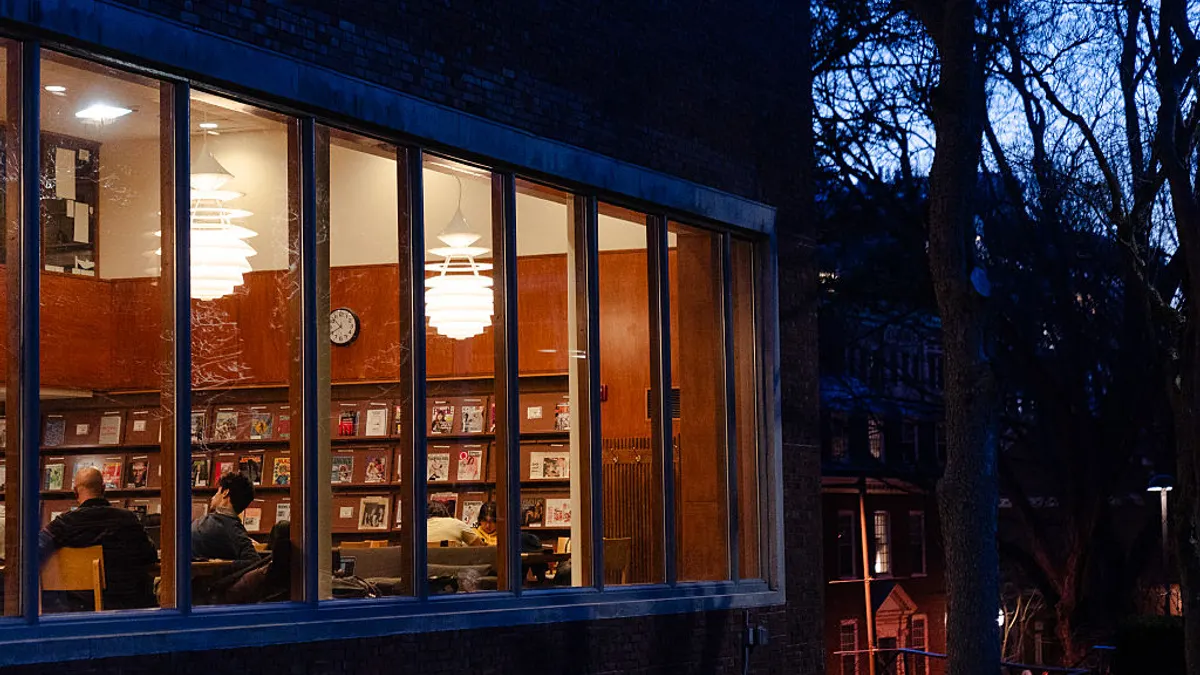
The DOJ's Friday lawsuit also cited a series of study-in protests at the university’s libraries beginning at the end of 2023 and continuing through 2024, which the agency described as an “onslaught of illicit campus library occupations by antisemitic, anti-Israeli demonstrators.”
Harvard leadership, the lawsuit alleges, failed to stop the events in a timely manner and “did not punish the students in any meaningful way.” The DOJ further lambasted the university for not intervening or calling the police on the protesters.
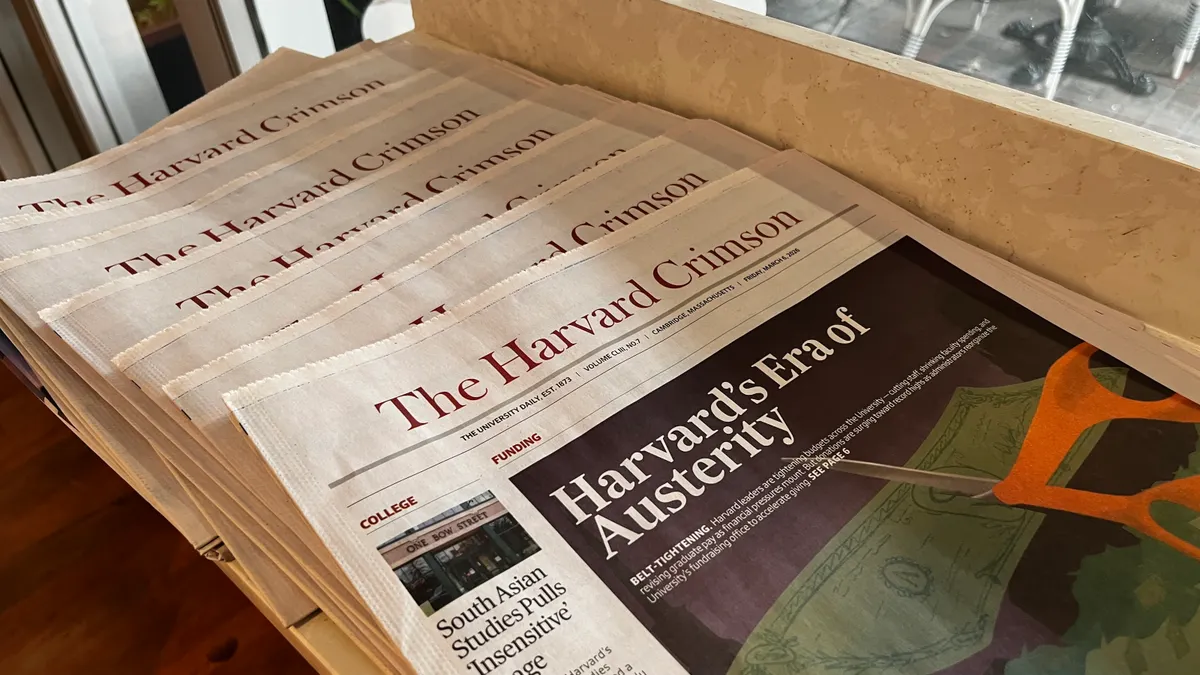
The university did not address the first of the library sit-ins, according to The Harvard Crimson, the university’s student newspaper. Over time, it began issuing library suspensions to both students and the faculty who held similar protests to object to the university’s discipline of those students.
The DOJ asked the court to implement policies at Harvard requiring officials to "seek help from and cooperate with law enforcement in arresting protesters who unlawfully impede movement through campus" and occupy campus spaces following orders to disperse.
The university must also enforce its existing protest restrictions and impose "meaningful disciplinary consequences on students and faculty who violate these policies," the DOJ said in court filings.
To ensure the university complies with any court order, the DOJ argued that the judge should appoint an independent monitor with input and approval from the U.S. government. The monitor would "recommend corrective actions" in reports to the executive and judicial branches, the agency said.
As of Friday afternoon, the lawsuit is assigned to U.S. District Judge Richard Stearns, a Clinton appointee.
'Concrete action, not assurances'
Last April, the university released dual reports finding that its Jewish, Israeli, Zionist, Muslim, Arab and Palestinian students and employees frequently felt uncomfortable during the 2023-24 academic year. The surveyed groups also reported feeling shunned or harassed at times while on campus.
The reports included recommendations to redress their findings, which Garber committed to undertaking.
“Harvard cannot — and will not — abide bigotry,” Garber said at the time. “We will redouble our efforts to ensure that the University is a place where ideas are welcomed, entertained, and contested in the spirit of seeking truth; where argument proceeds without sacrificing dignity; and where mutual respect is the norm.”
But Paula Stannard, director of HHS' Office for Civil Rights, said Friday that those efforts haven't been enough.
“When OCR notified Harvard of the Title VI violation, we recognized Harvard’s public commitment to address antisemitism, but found its proposed reforms did not meet Title VI requirements,” she said in a statement commending the DOJ's lawsuit. “OCR required concrete action, not assurances."
The Trump administration has not publicly addressed Harvard's report focused on anti-Muslim, Arab and Palestinian sentiment on campus.
A year of Harvard v. Trump
Harvard has turned to the courts in its counterfight against the Trump administration.
The university first sued in April 2025 after the Trump administration froze nearly $2.2 billion of its federal grants and contracts. The following month, Harvard sued again, this time after the U.S. Department of Homeland Security sought to bar it from enrolling international students.
In each instance, the federal government alleged that the disciplinary actions stemmed from rampant antisemitism on Harvard's campus, a rationale it has used against other colleges when suspending their federal grants.
But some Jewish lawmakers and community groups, legal experts and Holocaust scholars have accused the Trump administration of weaponizing antisemitism to punish First Amendment-protected speech and carry out its conservative policy agenda.
Thus far, the courts have sided with Harvard. U.S. District Judge Allison Burroughs temporarily blocked DHS's move the day Harvard sued and has since extended that ban multiple times.
In September, Burroughs also struck down the government's funding freezes, ruling they had violated Harvard’s First Amendment rights and that federal officials hadn’t taken the proper steps before suspending the grants. In that ruling, she wrote that she found no evidence of a "rational connection" between the federal government’s stated goal of snuffing out antisemitism and its actions against Harvard.
"A review of the administrative record makes it difficult to conclude anything other than that Defendants used antisemitism as a smokescreen for a targeted ideologically-motivated assault on this country’s premier universities," Burroughs wrote.
The Trump administration appealed that ruling in December, and the case is ongoing.
Dozens of colleges have backed Harvard's lawsuits. But for much of Trump's second term, Harvard was the only college to take the administration to court over its attempts to gain control over academic and campus life.
Earlier this month, California State University joined the fray. The public system sued the Trump administration over its threats to pull federal funding from one of its universities over the campus's transgender student-athlete policies.