

Dive Brief:
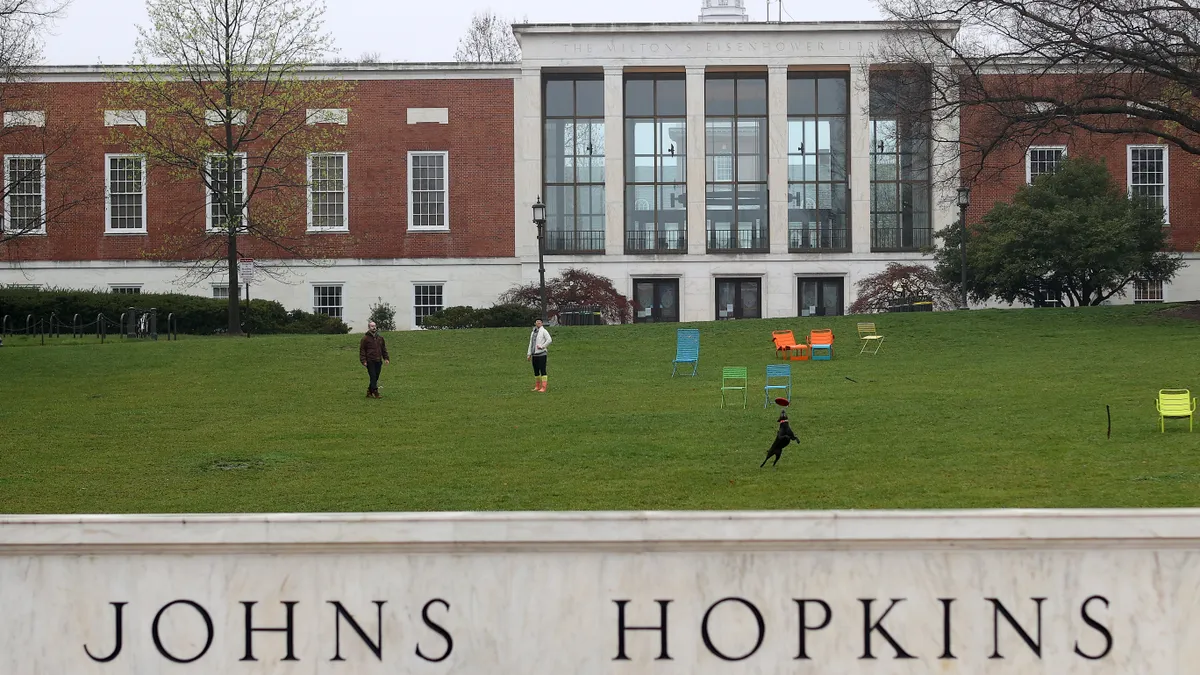
- Vice President JD Vance on Thursday accused nine universities of potentially abusing J-1 visas, a foreign exchange program that colleges use to bring in students, lecturers and researchers.
- The nine institutions are ones “we believe merit an investigation,” Vance said at a press conference. He listed Harvard, Yale, Stanford, Arizona State and Brown universities, as well as the University of Pittsburgh, Caltech, the Massachusetts Institute of Technology and the University of California, Davis.
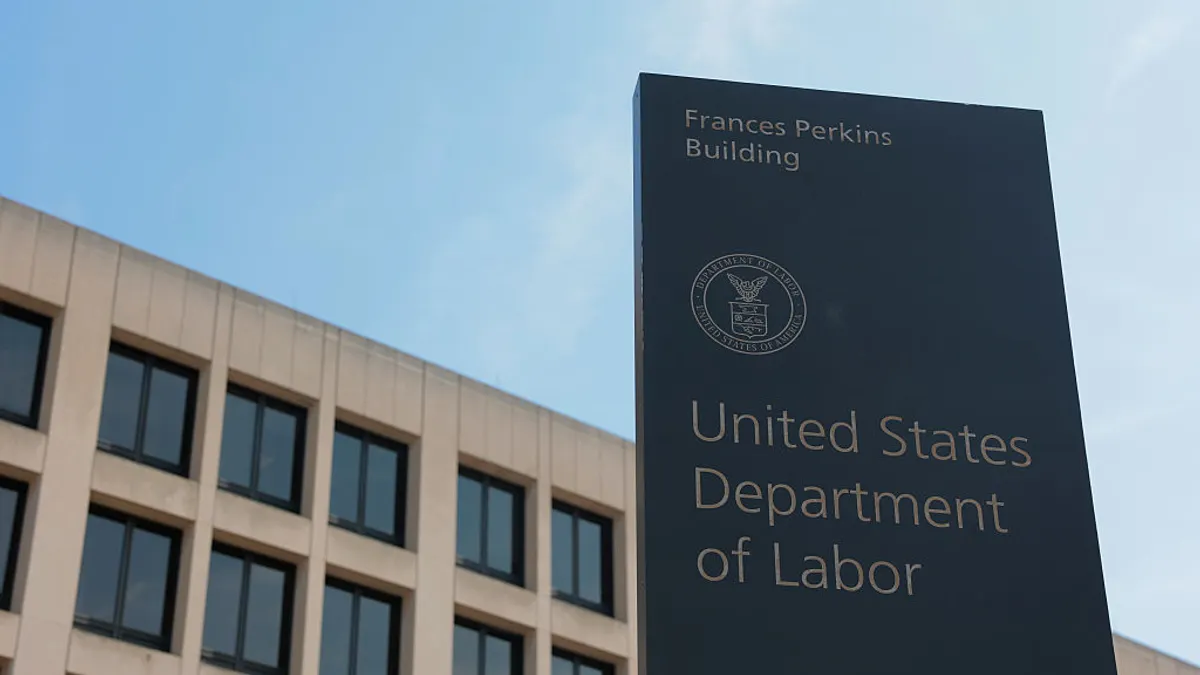
- Anthony D’Esposito, the U.S. Department of Labor’s inspector general, said subpoenas have been served against the universities and investigations are underway.
Dive Insight:
Vance’s announcement Thursday is tied to a larger crackdown on the visa system, which the Trump administration has targeted as part of an across-the-board effort to curtail both legal and illegal immigration.
At Thursday’s press conference, he accused higher education institutions of using foreign researchers as a source of cheaper labor.
“This is where some of America's most elite universities bring in foreigners again to undercut the wages of American residents,” Vance said. “What we see is that when you employ an American worker as a graduate student, as a researcher, they're making about $20,000 more than someone brought in under a J-1 visa.”
According to Vance, 61% of researchers working on federally funded programs at the nine institutions were J-1 visa holders, compared to a national average of 38%.
“Something weird is going on at these universities,” Vance said.
Asked for comment, an Arizona State spokesperson said in an email Friday that the university employs one of the largest technical and scientific workforces in the U.S.
“This benefits both the Arizona and the United States economies and in doing so, ASU has hired the talent needed to perform these functions — and done so in complete compliance with existing United States policy and law.”
A Stanford spokesperson said the university complies with “all applicable visa laws, including those relating to J-1 visas,” and added that it “will cooperate with the investigation.” Yale and UC Davis issued similar statements affirming their legal compliance.
Brown, Harvard, and MIT spokespeople all confirmed receiving subpoenas in the investigation.
The MIT spokesperson described the Labor Department’s subpoena as “very broad.”
“Of note, each J-1 visa holder at MIT has been vetted and authorized to come here by the U.S. government, and we take seriously our obligations to follow U.S. law,” the spokesperson added.
The Brown spokesperson said that the university “will respond promptly and directly to the government.”
The Trump administration has also targeted the H-1B program, including by imposing a $100,000 fee last year for each new visa. The fee was struck down in court in June, but just a couple of months later the administration floated a separate $103,265 fee for each H-1B petition for organizations subject to an annual visa cap. The cap does not apply to colleges.
In its efforts to limit immigration, the Trump administration has also sought to cap student visas, which include F-1 and J-1 visas, at four years, instead of for the duration of a student’s studies. A federal court paused the new rule in September, a decision the U.S. Department of Homeland Security has since appealed.
In August, DHS put out guidance limiting training programs like internships for foreign students. And this week, it proposed regulations that would add up to $100,000 in new fees for each international student seeking to participate in the Optional Practical Training program, which allows them to work in the U.S. for up to three years after graduation.